Build with Blocks Block Tier List
Rank materials by structure, readability, and accent value on a personal plot.
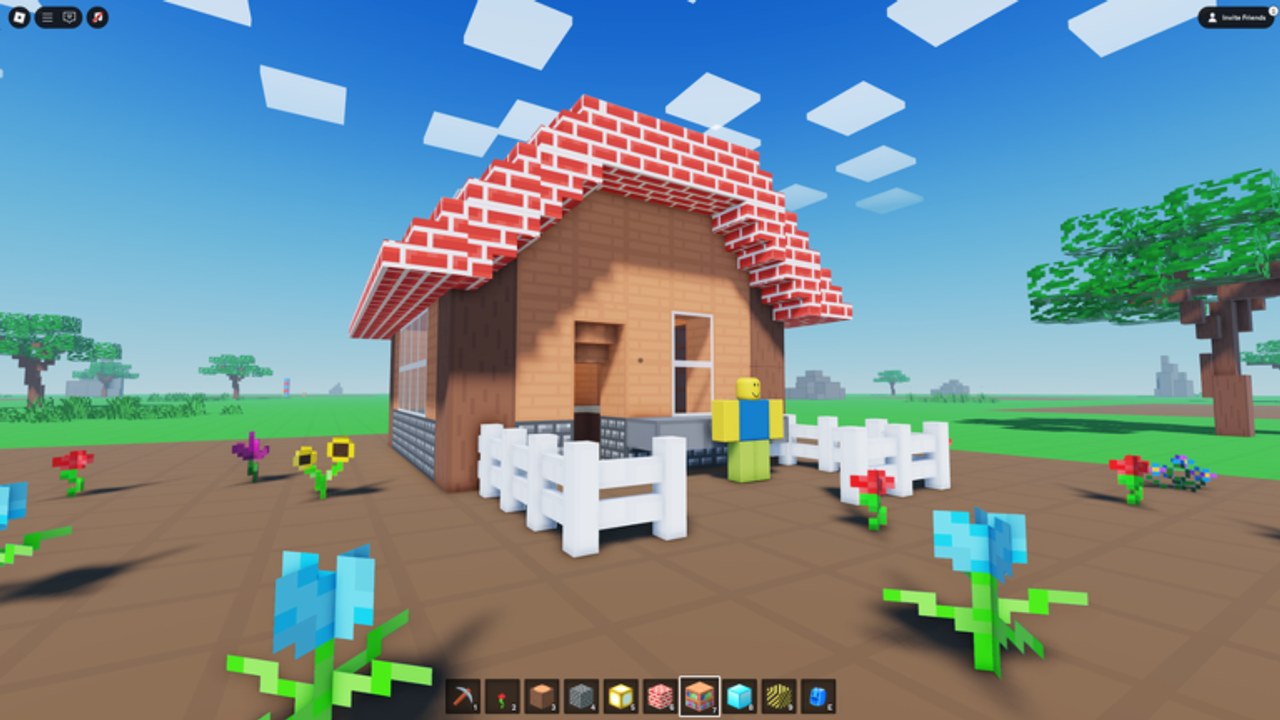
This tier list ranks Build with Blocks materials by how they perform on real plots—not by flex rarity alone. Goober Labs adds blocks over weekly updates, so treat the ladder as a living guide: structural reliability first, accents second, novelty third.
Ranking criteria
- Readability: Does the material read clearly from the plot edge?
- Versatility: Can it handle walls, floors, and roofs without clashing?
- Editability: Is it easy to mine and replace mid-design?
- Accent power: Does it pop when used sparingly?
- Performance feel: Does heavy neon spam hurt mobile cameras?
S tier — foundation heroes
Neutral woods, clean stones, and soft plasters win S tier. They silhouette well, photograph cleanly, and forgive mistakes when you mine openings (How to Mine). Start every shell with an S-tier structural block before touching glow pieces. New players following Getting Started should stay here for the entire first house.
A tier — flexible workhorses
Bricks, darker woods, tiled floors, and muted metals sit in A tier. Use them to break up large S-tier walls or to define interior zones. They still work as full shells if your palette stays tight—see Building Tips.
B tier — strong accents
Glass, translucent panels, soft pastels, and patterned tiles shine as windows, skylights, and trim. Overusing them as entire walls reduces readability and can make mining openings harder to see. Pair B-tier accents with S-tier shells from How to Build.
C tier — situational flair
Bright neon, animated-feel glow blocks, ultra-saturated primaries, and novelty event pieces belong in C tier for most plots. They are excellent for signs, nightclub corners, or showcase shelves reserved for weekly drops (Updates). A full neon castle often looks noisy on mobile and in busy eight-player servers.
D tier — avoid as structure
Near-invisible glass spam, conflicting rainbow checkerboards, and one-off meme blocks land in D when used as primary structure. Keep them for tiny easter eggs, not load-bearing walls.
Utility ranking (tools & verbs)
| Utility | Tier | Notes |
|---|---|---|
| Pickaxe | S | Mandatory edit tool |
| Inventory select | S | Core loop |
| Pathways | A | Visitor UX |
| Empty courtyard space | A | Future content slots |
| Script autofarms | F | Scarce + risky — see Scripts |
Sample loadouts
Starter cottage: S wood shell, A brick chimney, B glass windows, C lantern accent. Roleplay café: S plaster walls, A counter wood, B pastel seats, C menu neon strip. Showcase gallery: S stone floor, empty shelf wall, rotate C/B weekly unlocks after codes.
How updates shift the list
When doors arrive (already on Voxel Block Builder, announced for Build with Blocks), door assets will likely enter A or S for exterior readability. New pickaxe skins are cosmetic—they do not change mine power but may help you spot the equipped tool on Controls. Seasonal blocks often debut in C and graduate to B once builders discover tasteful trim uses.
Methodology note
Ranks synthesize official materials philosophy (place anything, mine freely), common sandbox composition practice, and the small-plot constraint of this experience. They are not paid placements. When Goober Labs ships a block that changes the meta, we reshuffle the letter grades and note the date on Updates.
Use the list as a compass, then break it deliberately once you can explain why. A neon-only art installation can be brilliant—just know you chose C-tier on purpose.
Frequently Asked Questions
Quick answers for Build with Blocks players.
Is this an official Goober Labs tier list?
No. It is an unofficial fan ranking focused on plot readability and editing comfort.
Why is neon not S tier?
Neon is powerful as accent lighting but overwhelms small plots and mobile cameras when used as the full shell.
Do codes change the tier list?
Codes may grant materials faster, but the ranking still depends on how those materials look and edit—check Codes.
Where do I apply these ranks?
Start with Building Tips and rebuild one wall using an S-tier shell plus B-tier trim.